


Taxes are due soon.
If you’re not ready to file your individual return, the most important move is simple: file an extension.
An extension gives you more time to file your Form 1040 (usually until October 15).
But it does not give you more time to pay.
Any unpaid tax after the April deadline will still accrue:
Interest
A smaller failure-to-pay penalty
Now here’s the real danger:
If you miss the filing deadline and don’t file an extension, the IRS can hit you with a failure-to-file penalty of 5% per month, up to 25%.
That escalates quickly.
How to file an extension in minutes
The fastest way: make an “extension payment” online.
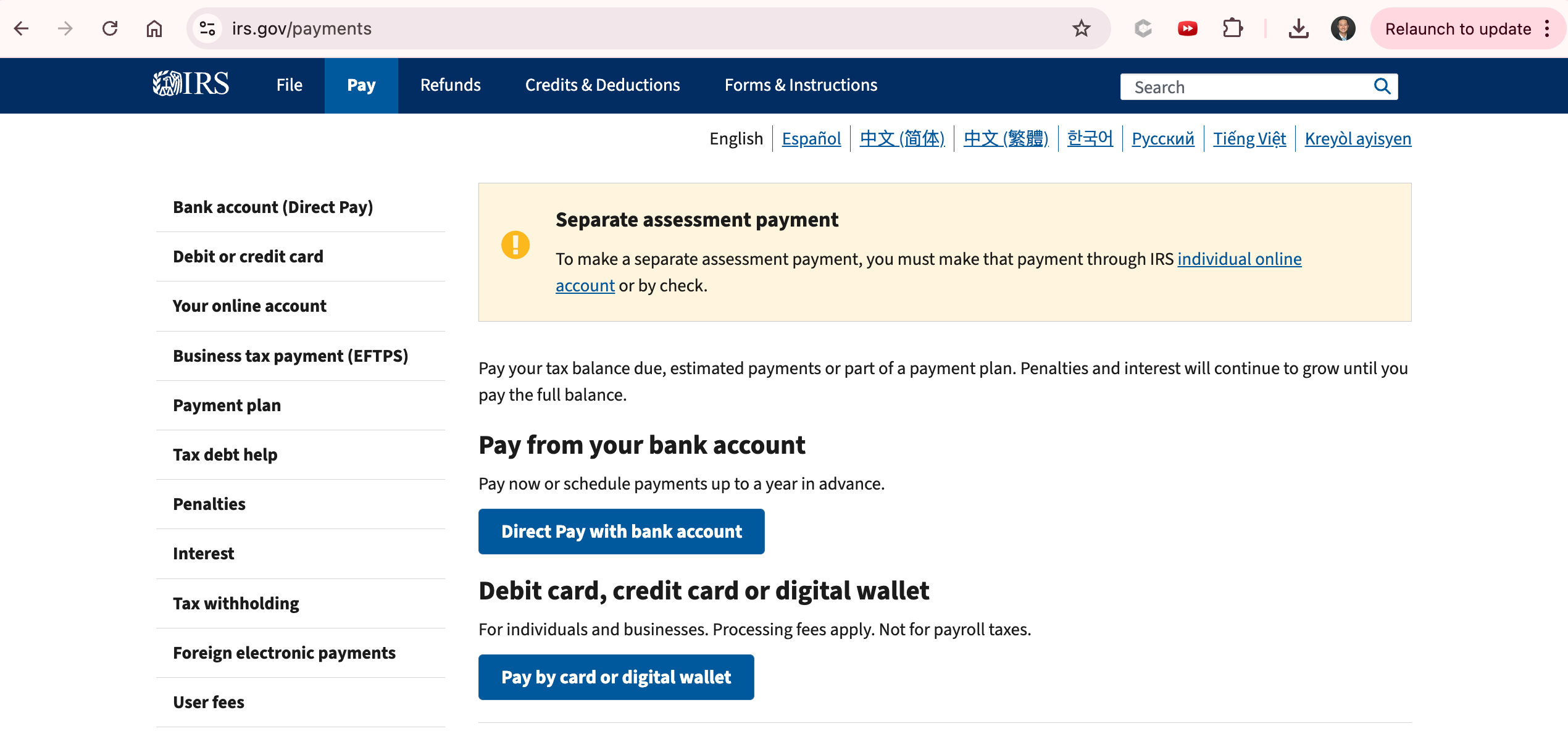
Step 1: Go to irs.gov/payments and Click “Direct Pay with bank account”
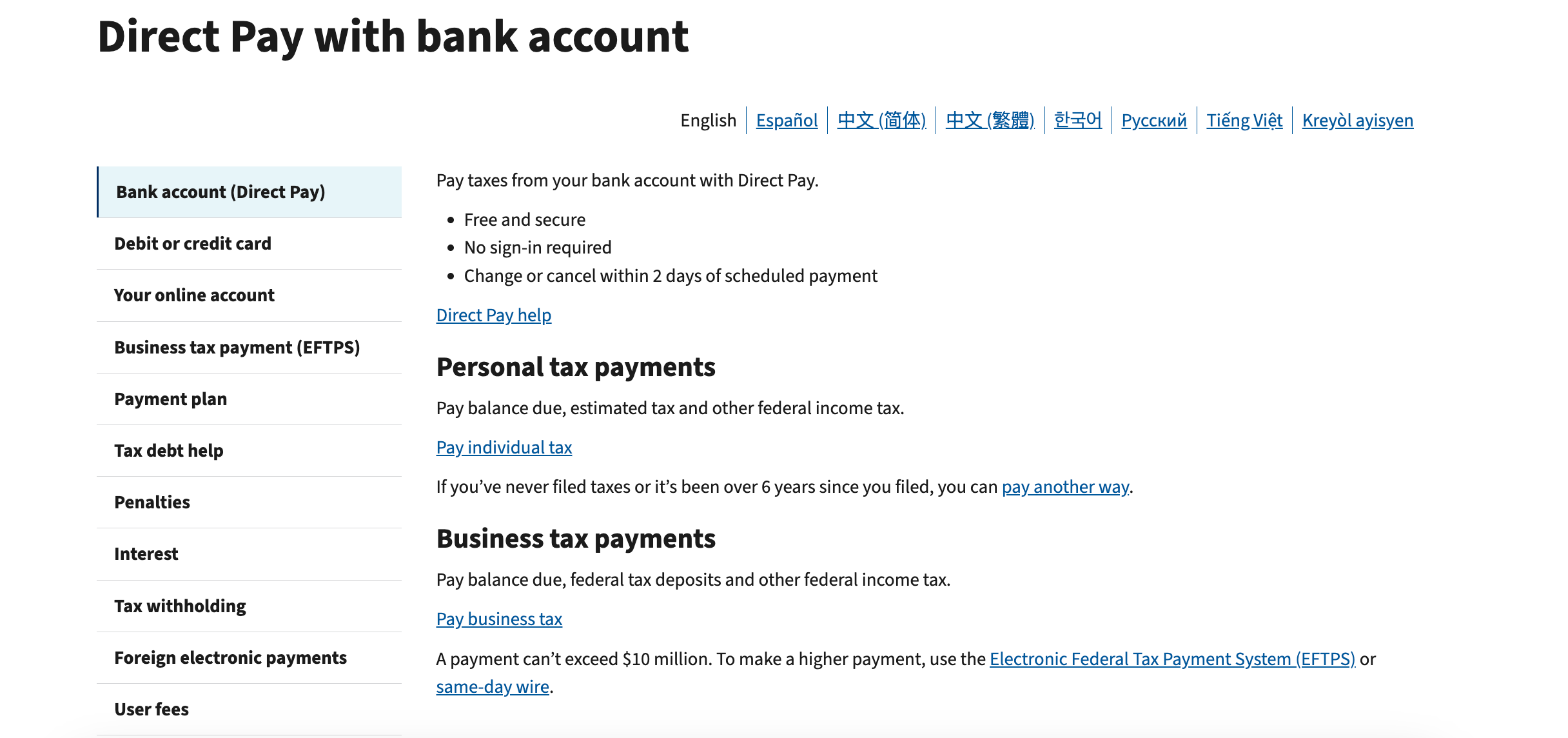
Step 2: Click “Pay individual tax”
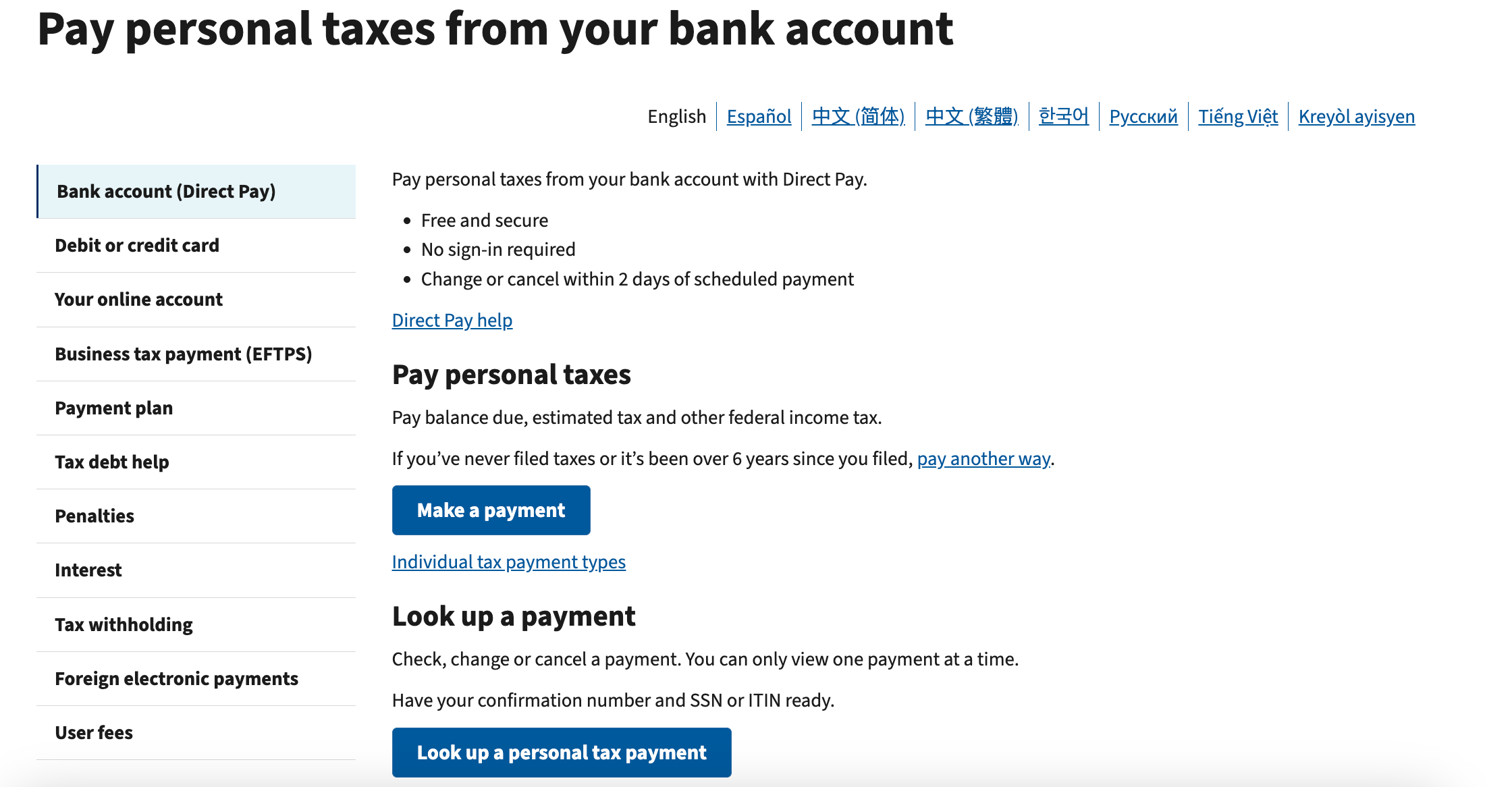
Step 3: Click “Make a payment”
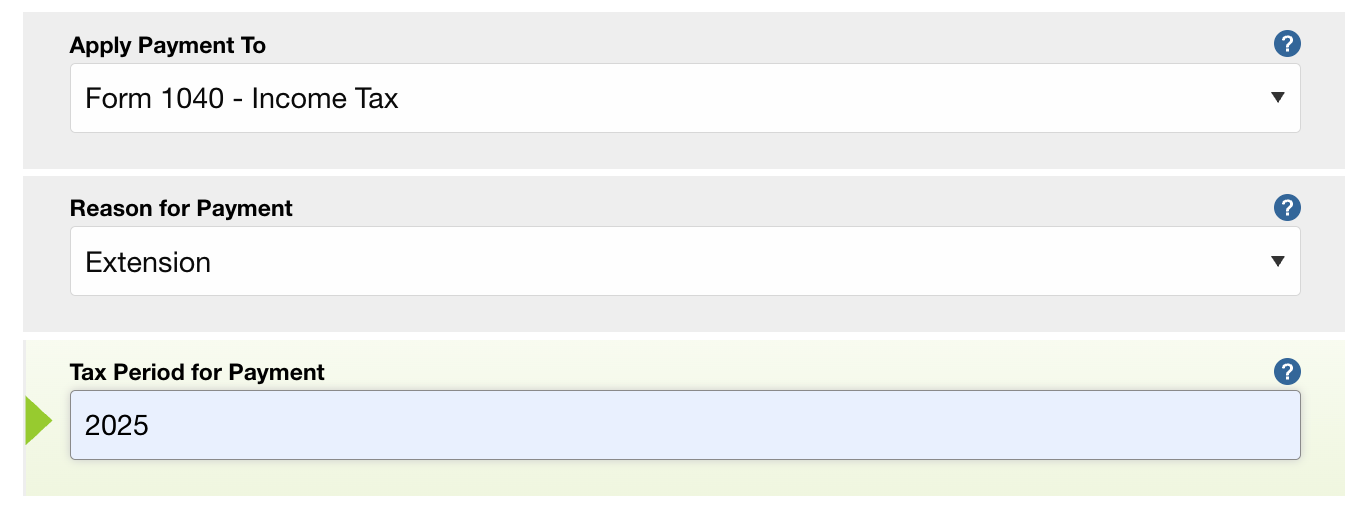
Step 4: For “Reason for Payment”, select “Extension”.
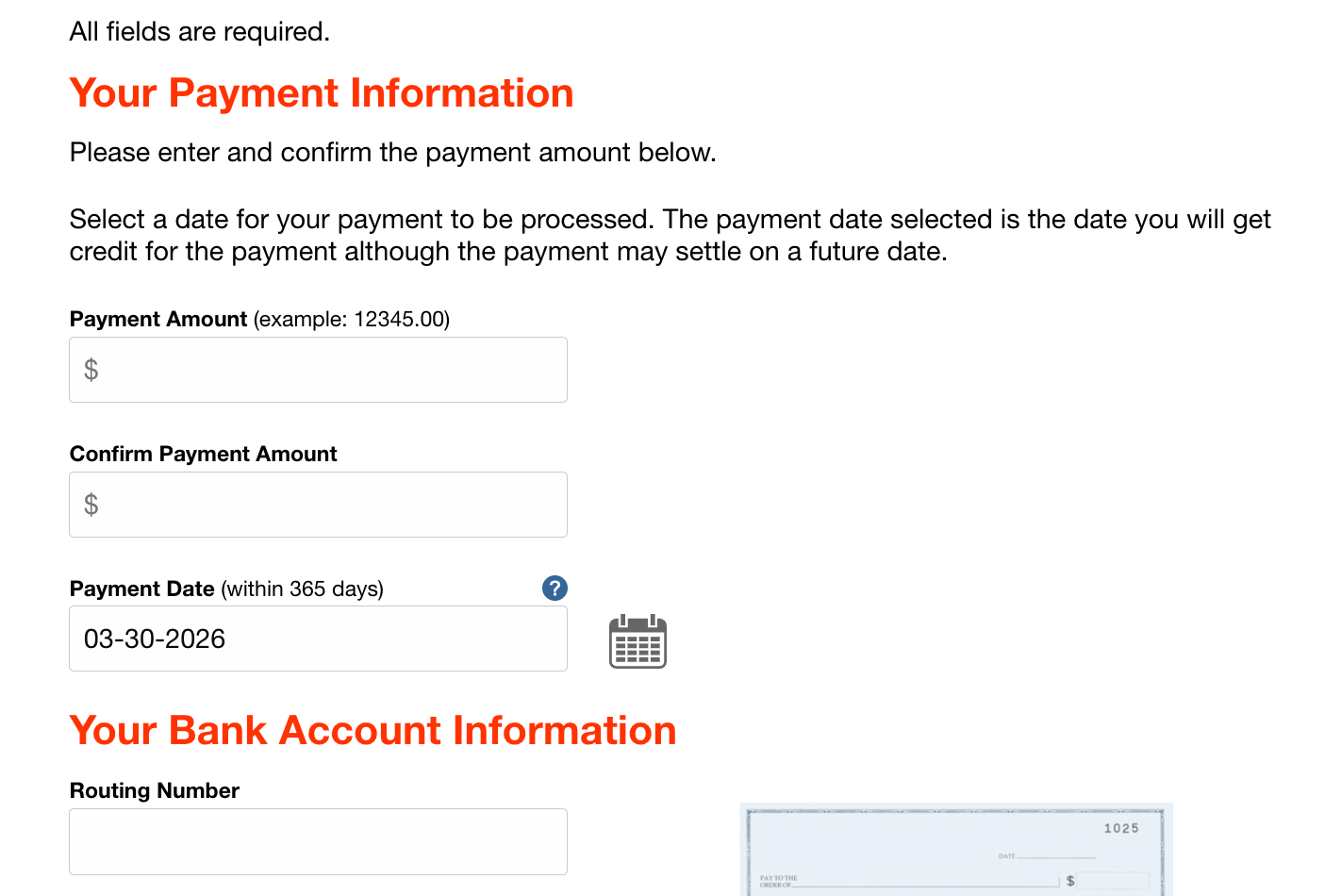
Step 5: Enter the amount you think you’ll owe and complete the payment process.
Save the confirmation.
If coded properly, this serves as your extension.
How much should you pay?
Think of it like a target:
Add up:
Withholding
Estimated payments
Then ask:
“Have I paid at least ~90% of my total tax?”
Or alternatively:
“Have I paid at least 110% of last year’s tax?”
If yes → you’re generally protected from underpayment penalties
If no → pay as much as you reasonably can now
Even partial payment helps reduce interest and penalties.
What If I Don’t Owe Anything?
You still need to file an extension.
Two options:
Submit Form 4868 (no payment required), or
Use IRS Direct Pay (easier)
Since the IRS system won’t process a $0 payment, many people submit a $0.01 payment to trigger the extension electronically.
Not Sure How Much to Pay?
Need help figuring out how much to pay with your extension?
You can book a call with me and we’ll walk through your numbers together.